
MeenakshiSteel Traders
By Teja | May 20, 2026 | 7 min read
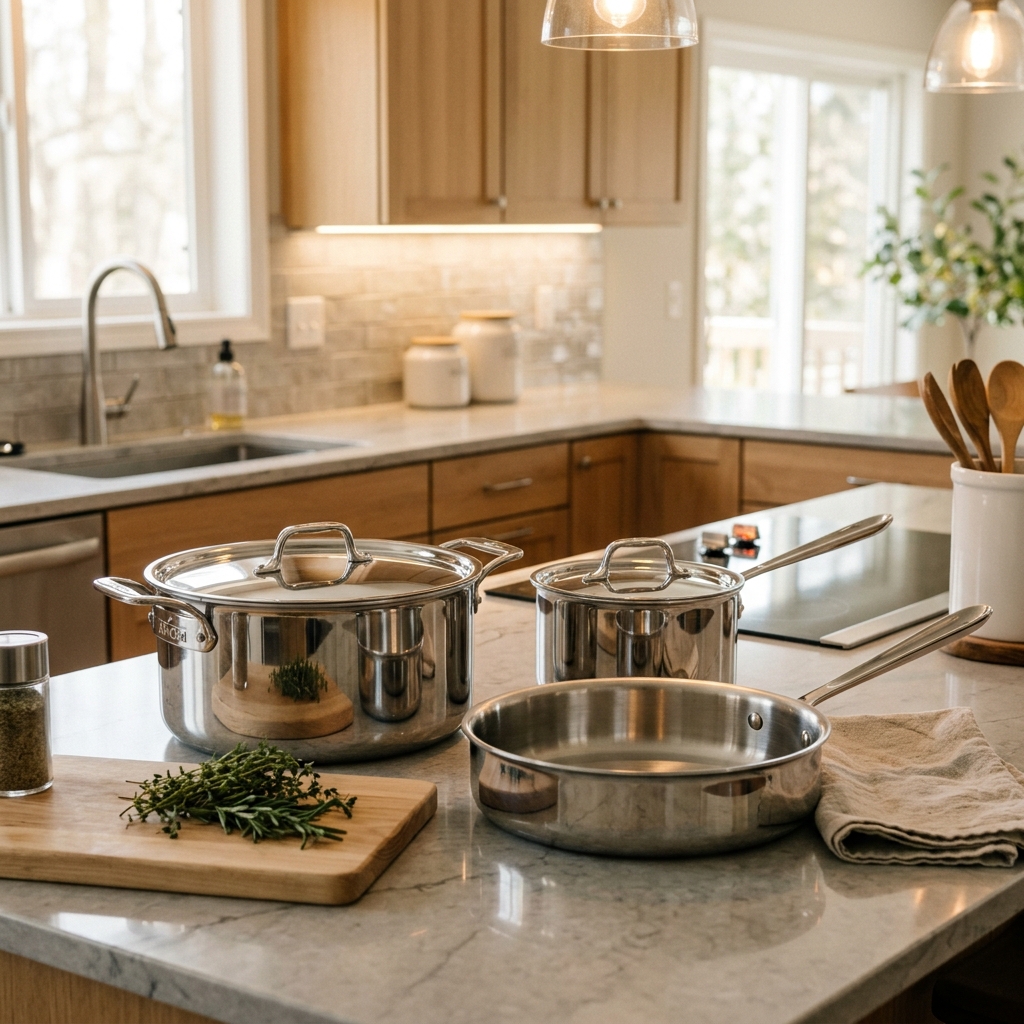
Indian cuisine is renowned worldwide for its incredible diversity, vibrant flavors, and complex cooking techniques. From slow-simmered curries and tempered spices to crispy deep-fried delicacies, the demands placed on kitchenware in an Indian household are immense. For decades, Indian families have relied on various materials, but one stands the test of time, asserting its dominance in modern kitchens: high-grade stainless steel. But what exactly makes traditional stainless steel kitchenware the absolute best choice for Indian cooking?
Indian cooking is not for the faint-hearted—or for fragile cookware. We fry, we sauté, we boil, and we temper (tadka) at extremely high temperatures. Stainless steel is an alloy composed of steel, chromium, and nickel. This composition makes it incredibly robust and highly resistant to warping, scratching, and denting. Unlike non-stick pans whose coating can easily chip off after just a few months of vigorous stirring with a metal spatula, stainless steel embraces the heavy-handed nature of Indian cooking. You can use steel ladles, vigorously whisk your dals, and scrub the pots aggressively without fear of damaging the surface.
Consider the staple ingredients in any regional Indian kitchen: tomatoes, tamarind, yogurt, lemon, and vinegar. These ingredients are highly acidic. When cooked in reactive materials like unlined copper, aluminum, or cast iron, the acid can cause the metal to leach into the food, altering the taste and potentially posing health risks over long-term consumption. Stainless steel, on the other hand, is completely non-reactive. Whether you are simmering a tangy Goan fish curry, preparing a massive batch of tomato chutney, or fermenting idli batter, stainless steel ensures that the authentic flavors of your dish remain pure and untainted. The material is chemically stable, making it the safest option for the vast majority of Indian gravies.
In recent years, there has been growing concern over the health implications of Teflon (PTFE) and other non-stick coatings, especially when heated to the high temperatures typical in Indian frying and sautéing. When overheated, non-stick coatings can release toxic fumes. Stainless steel completely eliminates this risk. It requires no chemical coatings to function effectively. Furthermore, high-quality stainless steel (such as 304 or 18/10 grade) does not harbor bacteria, which is why it is the standard material used in hospitals and commercial kitchens worldwide. It is non-porous, meaning it won’t absorb odors or flavors from pungent spices like garlic, fenugreek, or asafoetida (hing).
One of the secrets to a rich, deeply flavored Indian curry is the caramelization of onions, ginger, and garlic—a process known in the culinary world as the Maillard reaction. Non-stick pans are notoriously bad at browning food because their slick surface prevents ingredients from sticking and developing that crucial crust. Stainless steel encourages a slight sticking, known as a 'fond', which forms at the bottom of the pan. When you deglaze the pan with a splash of water, tomato purée, or broth, all those incredibly flavorful browned bits lift off and integrate into your gravy, providing a depth of flavor that is simply impossible to achieve in a non-stick kadai.
After a lavish Indian meal, the cleanup can often be daunting. Oils, turmeric stains, and dried gravies can be a nightmare to wash. Fortunately, stainless steel is incredibly forgiving. Unlike cast iron, which requires careful seasoning, immediate drying, and oiling to prevent rust, stainless steel can be soaked in soapy water for hours. It can handle abrasive scrubbing pads, steel wool, and harsh detergents. Got a burnt bottom from unattended boiling milk or overcooked biryani? Simply boil some water with baking soda and vinegar in the pot, and the burnt remnants will lift right off. It is dishwasher safe and retains its glorious shine for years with minimal effort.
Historically, the only complaint against stainless steel was its poor heat conductivity, which could lead to hot spots and burning. However, the introduction of Tri-Ply (or multi-clad) stainless steel has revolutionized the industry. Tri-ply cookware features an inner core of aluminum or copper sandwiched between two layers of stainless steel. This brilliant engineering combines the unmatched durability and non-reactive safety of stainless steel with the rapid, even heat distribution of aluminum. For Indian dishes that require precise heat control, such as making delicate sweets like kheer or tempering spices without burning them, Tri-ply stainless steel kadais and pans have become the ultimate weapon of choice.
A set of high-quality gleaming stainless steel cookware adds an element of modern sophistication to any kitchen. It bridges the gap between traditional Indian utility and contemporary aesthetics. Moreover, investing in good stainless steel is an investment for a lifetime. Unlike non-stick pans that need replacing every 2-3 years, or earthen pots that eventually crack, a premium stainless steel pressure cooker, kadai, or idli maker will easily last decades, often being passed down through generations in Indian families.
At Meenakshi Steel Traders, we have seen materials come and go, fads rise and fall, but stainless steel remains the unwavering king of the Indian kitchen. Its ability to withstand the fiery heat, acidic gravies, and heavy spices of Indian cooking while remaining completely safe, hygienic, and beautiful makes it an indispensable asset. Whether you are setting up a new home or upgrading your kitchen arsenal, making the switch to premium stainless steel kitchenware is a decision that will reward you with decades of delicious, healthy, and perfectly cooked meals. Choose durability. Choose safety. Choose stainless steel.